

As remote work becomes the norm, real estate demand is shifting and reshaping industry strategies. More buyers are seeking homes with dedicated office spaces in suburban and rural areas, creating new opportunities for properties in diverse locations, like those found in the Reem Island property for sale listings. Digital tools like virtual tours are now essential, making it vital to adapt your approach. So, what strategies can you implement to cater to these evolving preferences?
Shifts in real estate demand
The rise of remote work has reshaped housing demand, with 42% of U.S. workers now fully remote. This has caused a shift from urban to suburban and rural areas as commute times become less important. Homebuyers are prioritizing affordability, space, and lifestyle, exploring properties further from metropolitan hubs.
Data shows housing prices surged by 20% from 2020 to 2022, driven by remote workers seeking larger homes with office spaces. This trend is increasing demand in suburban regions, while mid-sized cities have seen more rental interest from young professionals. The hybrid work model will likely continue to influence these movements, affecting housing affordability and property values in both urban and suburban markets.
Evolving homebuyer preferences
With remote work now a permanent fixture, buyer preferences have evolved. The flexibility to work from anywhere has increased demand for properties in suburban and rural areas, driven by the desire for more space and affordability. A 2024 Redfin report reveals a 25% increase in suburban home searches compared to urban centers.
Buyers now prioritize dedicated home offices, with 39% considering it a top requirement, up from 22% pre-pandemic. High-speed internet is also crucial, with 87% of remote workers emphasizing its importance. This shift from proximity to the workplace toward lifestyle and home functionality is clear.
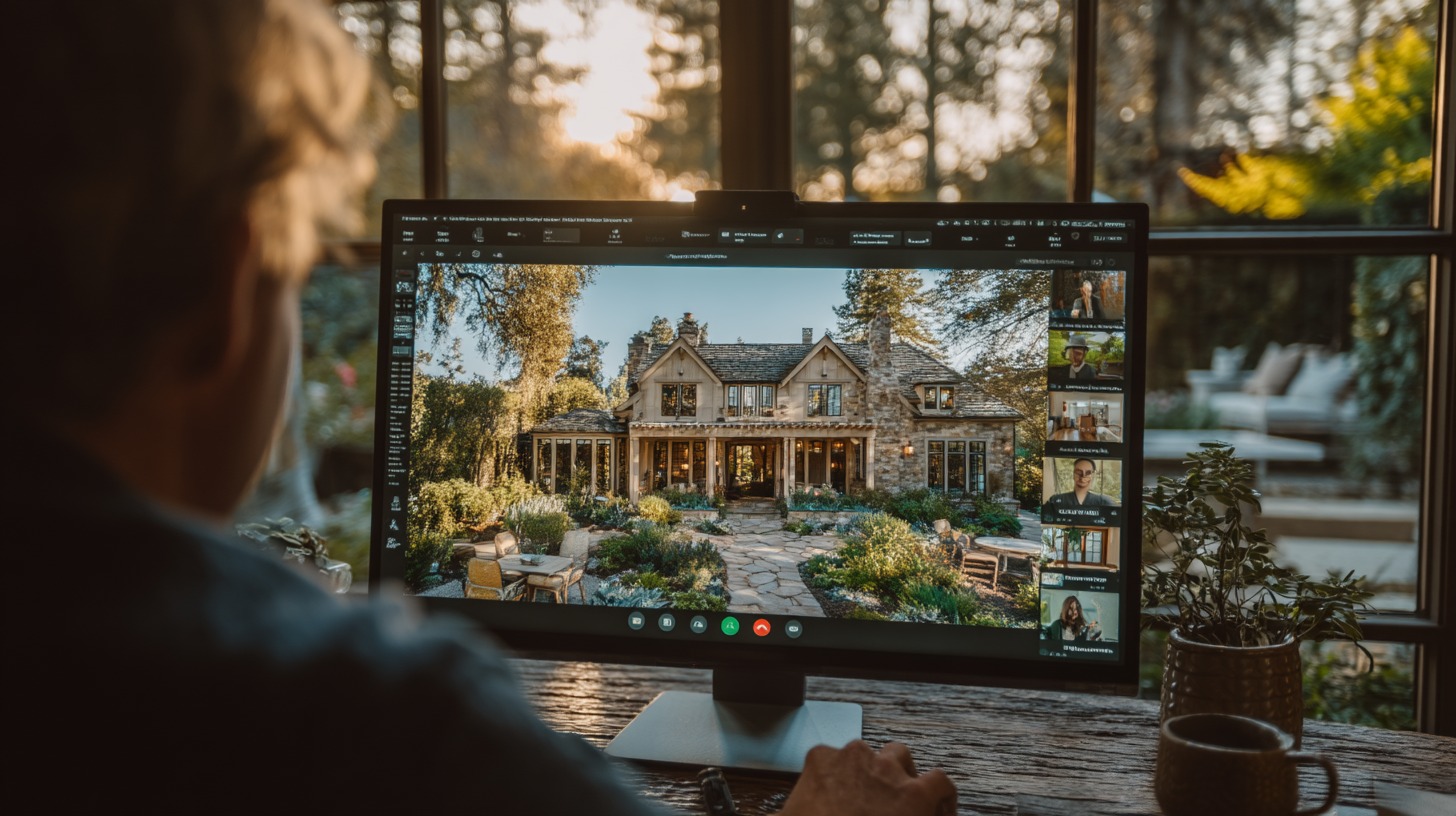
New opportunities for agents
The remote work landscape offers new career avenues for real estate agents. Companies like eXp Realty and Doma Holdings are offering remote roles, enabling flexible client and listing management.
This flexibility extends to how agents work. The surging demand for homes with offices and the growth of virtual tours highlight the need for digital engagement. Agents who embrace technology can reach a broader market. By honing skills like negotiation and digital literacy, agents can thrive in this changing real estate environment.
Commercial real estate adjustments
The commercial real estate market is adapting to shifting demands. With remote work increasing, traditional office demand has declined, leading to higher vacancy rates and lower rents in urban areas. Landlords are now rethinking their strategies.
Flexible leasing, co-working spaces, and smaller satellite offices are becoming more common. E-commerce and industrial spaces are seeing a surge as online shopping grows, prompting property owners to repurpose underutilized offices. Suburban areas are benefiting from this change, with a rise in local co-working spaces. Aligning with tenant expectations for flexibility and technology is now key.
Trends shaping the industry
Remote work is causing a fundamental shift in residential preferences. The most significant trend is the growing demand for homes in suburban and rural areas, where buyers find more space and a lower cost of living.
Larger homes with dedicated office spaces are highly sought after, and robust digital infrastructure like high-speed internet is essential. With commute times less of a factor, buyers have more location flexibility. Amenities are also crucial, as remote workers increasingly desire homes with pools, gyms, and outdoor spaces to enhance their work-from-home experience.